What are the lessons from the first half of F1 2026?
And just like that, we are 11 races down.
The season has already delivered plenty of unforgettable moments, with new regulations reshaping the grid, a first-time race winner, and the youngest driver ever to lead the Championship writing their names into the history books.
But the action hasn’t been limited to the track. Away from the racing, the commercial landscape has been equally enthralling. F1 continues to see strong growth in partnership deals at both series and team level and there have been twists and turns on race hosting, as uncertainty over the war in Iran affects planning for Middle East races. As F1 enters its three-week summer shutdown, we assess the trends and key commercial stories.
New Deals and Activations
Among the notable trends in new partnerships has been the continuing shift towards AI, with a doubling of the number of deals from 2025 to 2026. Seven of the 11 current F1 teams now carry an AI partner. We have seen a wave of venture-backed AI firms joining the grid: Anthropic’s Claude at Williams, Cohere and Cognition at Aston Martin, ElevenLabs at Audi, TWG AI and Core Scientific at Cadillac, and Vercel at Mercedes. The category is also maturing. Partnership categories have refined from generic AI titles to more specific designations, like ‘Thinking Partner’.
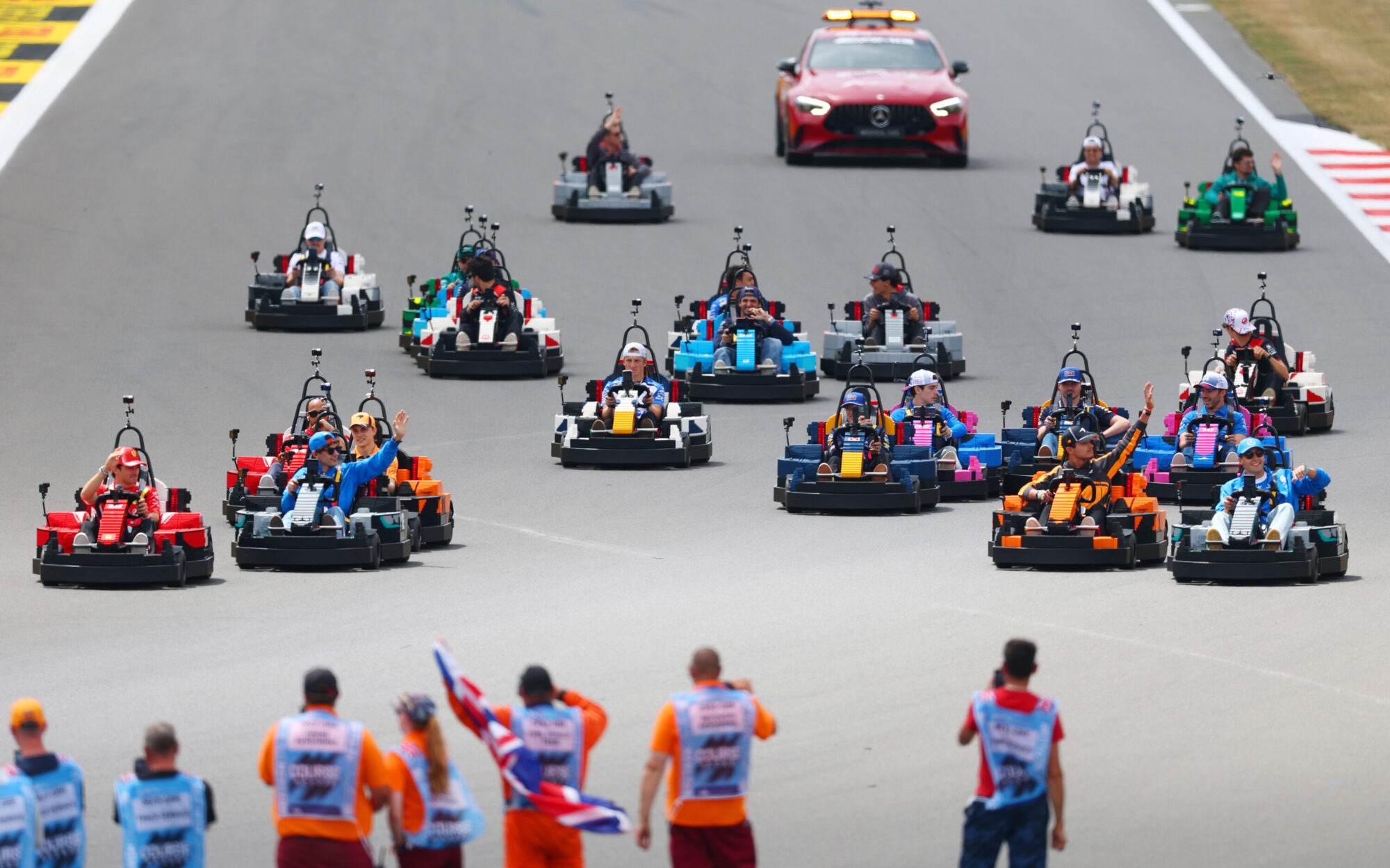
Alongside the new deals, existing partnerships have continued to show up in a big way. Lego brought back its popular Drivers’ Parade in Silverstone, this time with go kart style cars. Even the FIA President got in on the act, along with the 22 F1 drivers.
The US engagement with F1 deepens
There is no sign of any let up in the deepening engagement of the US market with F1. US companies now account for 40.7% of all 2026 sponsorship deals, up from 36.3% in 2025. The sponsor base is following the audience that Liberty Media has built in the US market.
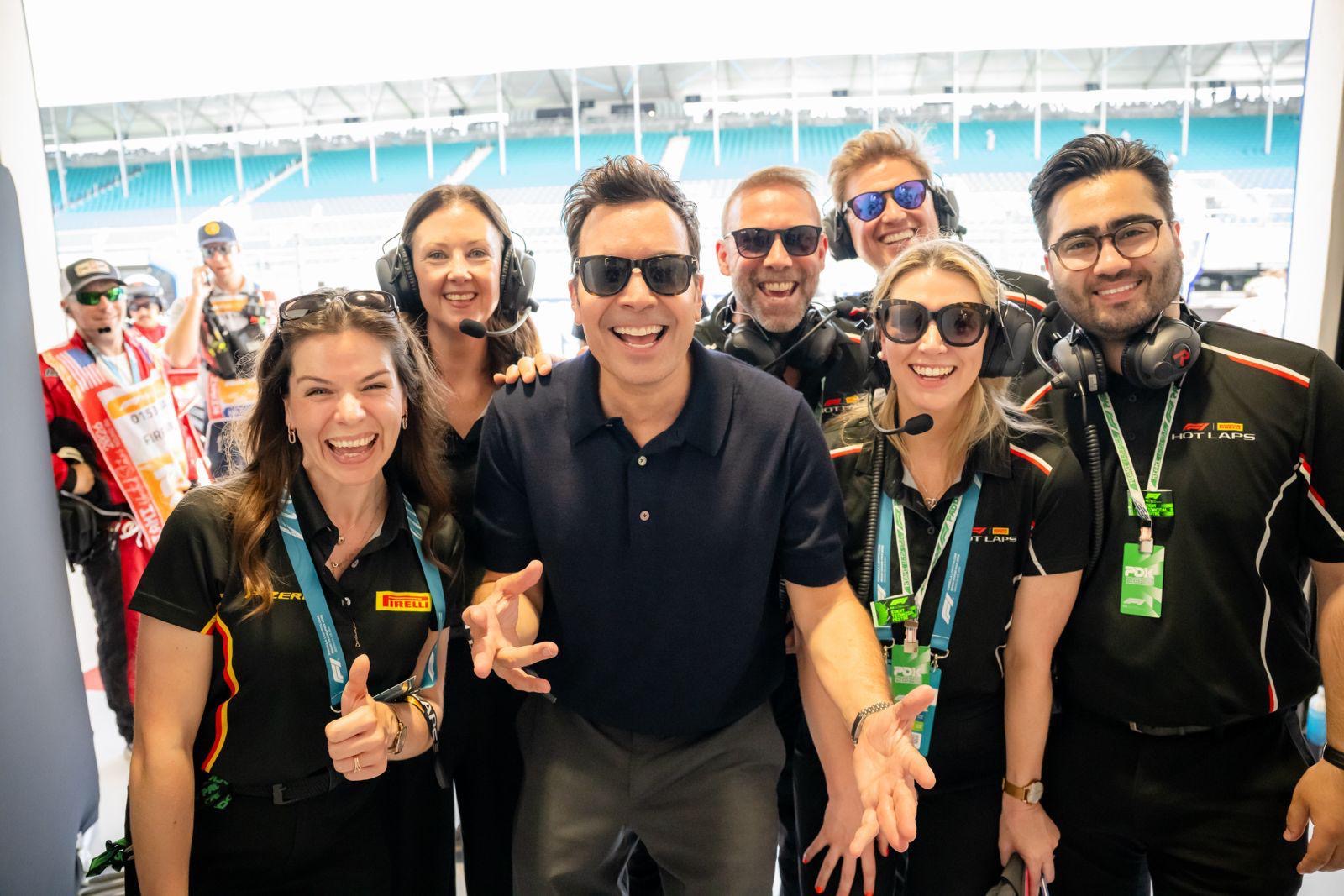
The Miami GP delivered its strongest race to date with several noteworthy activations, many of which extended F1’s reach well beyond the boundaries of the circuit into multiple areas of the city, such as Revolut’s activation with Audi in the Wynwood Arts District.
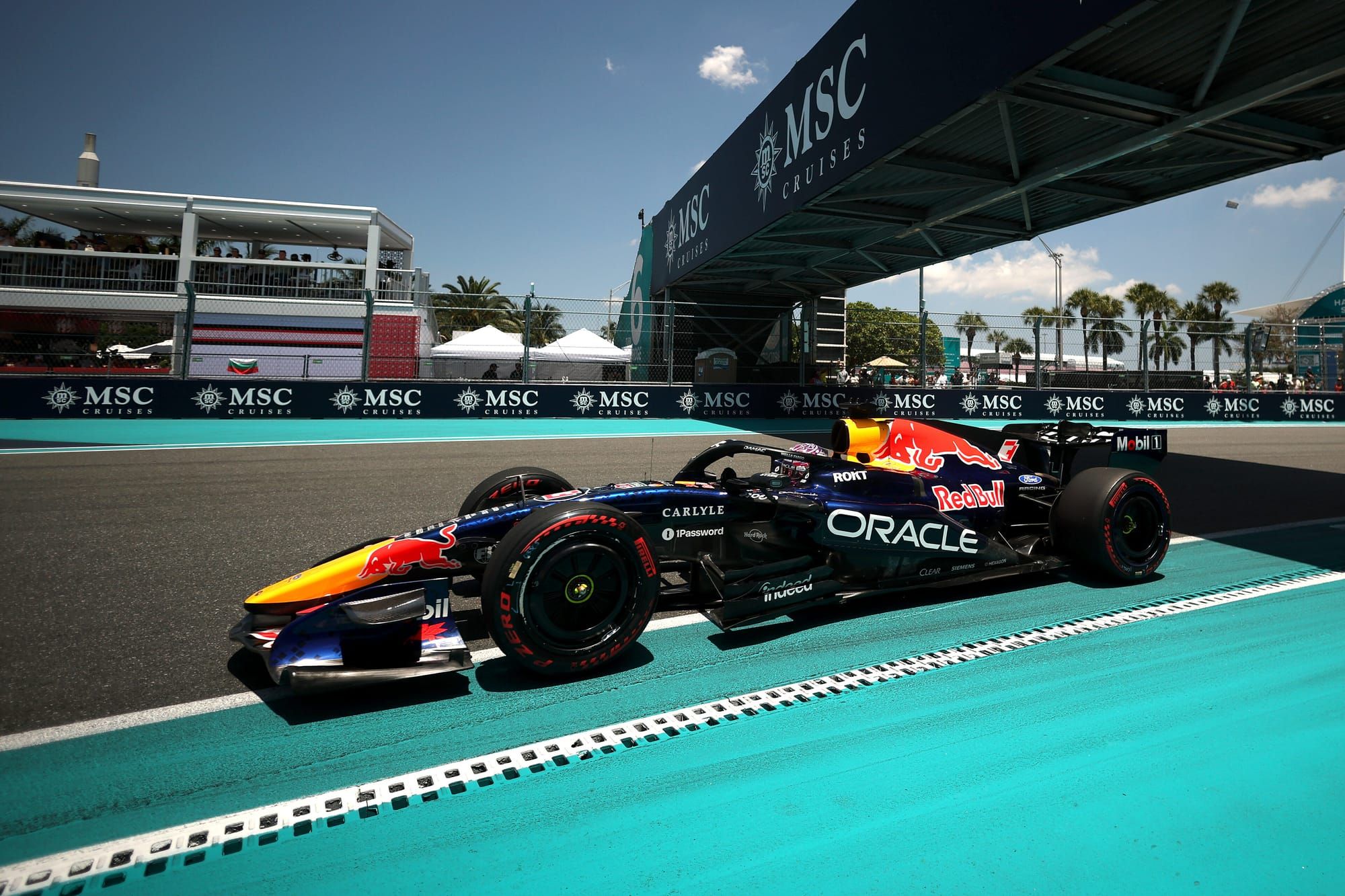
At the circuit, the faux marina caught the eye again, this time evolving into the ultimate VIP hospitality suite, branded like one of MSC Cruises’ ships.
From high-end fashion pop-ups (like custom team gear collaborations) to interactive simulator zones sponsored by tech giants, every corner of the track was designed for Instagram and TikTok.
The inclusion of trackside beach clubs with real sand, swimming pools, and performances by major DJs and artists turned the weekend into a hybrid of a sporting event and festival in the centre of Miami.
Miami proved exactly why it holds a prestigious place on the calendar. It symbolises the way F1 is evolving to blend the best of sport, business and entertainment. It took the pent-up energy of F1’s enforced April break and channelled it into a star-studded weekend that proved F1 in America is as much about the culture, entertainment and spectacle as it is about the cars on the track.
F1 gets creative around race scheduling dilemma
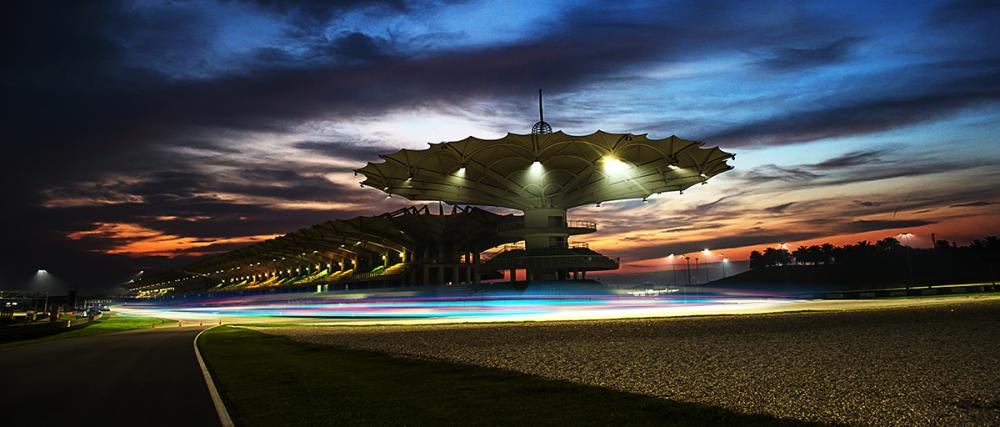
With a challenging security situation in the Middle East, the Bahrain and Saudi Arabian GPs were postponed, leaving no race in April. Despite a packed schedule in the second half of the year, F1 was keen to re-integrate the races and a creative solution was found. Along with the Bahrain promoters, a deal was struck for the Sepang International Circuit in Malaysia to host its race, maintaining the Gulf Air Bahrain GP designation.
Nestled into a new triple header between Baku and Singapore, the current schedule proposes 12 races in three months to see out the season.
Sepang hosted F1 from 1999 until 2017 and is a fan favourite, famed for its two long straights and wide track, giving plenty of overtaking opportunities. F1 and its promoter partners in Qatar and Abu Dhabi continue to monitor the security situation and a decision on whether those races can go ahead in early December will be made in mid September. F1 CEO Stefano Domenicali has indicated that if it is deemed unsafe to travel to the region, a replacement race in Europe will provide the season finale.
Fan demand for tickets
As Formula 1 grows, more people want to get close to the action. F1 has reported 11 consecutive sell-out races, drawing nearly 3.7 million fans to race weekends, a 6% year-on-year increase from 2025. Attendance records were shattered at six circuits: Silverstone (564,000), Australia (484,000), Belgium (400,000), Canada (360,000), Austria (320,000), and Hungary (310,000).
As the season continues, plenty of talking points will arise, including the new street race in Madrid in September and whether Abu Dhabi and Qatar will be able to stage a race.
If you’d like to find out more on how Right Formula can support your motorsports partnership, please contact Info@rightformula.com